


Your Cart is Empty
Bill Resident Trust Accounts! Spring Fashions & Colors Now In Stock!
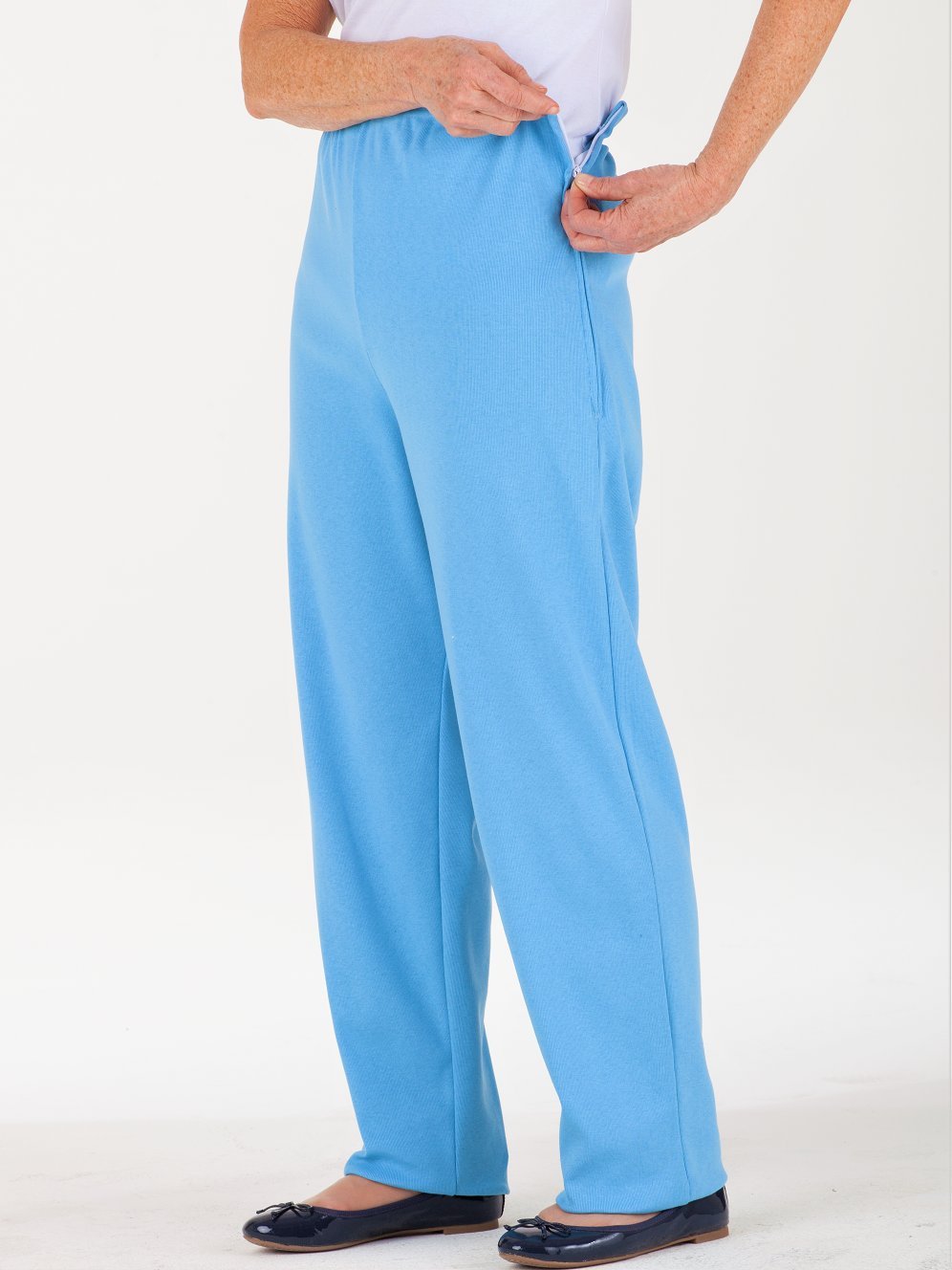
Getting dressed sounds simple. But for millions of older adults living with arthritis, Parkinson's, dementia, or limited mobility, the daily act of putting on a shirt or stepping into a pair of pants can become painful, frustrating, and even unsafe. For caregivers in assisted living facilities and nursing homes, dressing a resident multiple times a day adds physical strain to an already demanding schedule.
Adaptive clothing solves these problems by replacing traditional fasteners with features like Velcro closures, magnetic snaps, elastic waistbands, and open-back designs that make dressing faster, safer, and more dignified. Let's look at what adaptive clothing means and walk through real adaptive clothing examples to help you choose the right pieces for the seniors in your care.
Table of Contents
So what is adaptive clothing, exactly? Adaptive clothing refers to garments specifically designed for people who have difficulty dressing due to physical or cognitive limitations. Unlike standard off-the-rack apparel, adaptive pieces feature modified closures, strategic openings, and flexible construction that reduce the effort required to get dressed.
What does adaptive clothing mean in practical terms? It means a blouse that opens fully down the back so a caregiver can dress a seated resident without lifting their arms overhead. It means pants with side zippers that accommodate a wheelchair user without requiring them to stand. It means clothing that makes a real difference in your seniors' daily lives.
The key difference between adaptive clothing and regular clothing comes down to how the garment goes on and comes off. Every design decision prioritizes ease of use for the wearer, the caregiver, or both.
If you're new to adaptive apparel, it helps to see specific adaptive clothing examples so you know what to look for. Adaptive garments are available across every clothing category, from tops and pants to sleepwear and outerwear. Here are the most common types:
At Resident Essentials, we carry full lines of adaptive clothing for elderly womenand men, including all the styles listed above.

Adaptive clothing was originally designed for people with disabilities, but its use has expanded significantly over the years. Today, adaptive garments help a wide variety of individuals, including:
Seniors with limited mobility: Age-related conditions like arthritis, joint stiffness, and muscle weakness can make standard buttons and zippers extremely difficult to manage. Elastic closures and Velcro fasteners remove that barrier.
People living with Alzheimer's or dementia: Cognitive conditions can cause confusion during dressing. Some individuals may also attempt to remove their clothing throughout the day. Back-zip jumpsuits and snap-closure garments give caregivers more control while keeping residents comfortable.
Individuals recovering from surgery or a stroke: After a medical procedure or neurological event, one-sided weakness or restricted movement can make traditional clothing impractical. Adaptive designs allow for one-handed dressing and minimize the need to raise arms or bend at the waist.
Wheelchair users: Standard pants often bunch uncomfortably at the waist and hips when sitting for extended periods. Adaptive pants are cut specifically for seated wear, with side openings that make changing easier without requiring a transfer out of the chair.
For professional caregivers in nursing homes and long-term care facilities, dressing residents is one of the most physically demanding parts of the job. A single caregiver may dress and undress dozens of residents each day. Standard clothing with tiny buttons, stiff zippers, and over-the-head designs adds unnecessary time and strain to every interaction.
Our adaptive clothing for men and women significantly reduces dressing time. Open-back tops, for example, allow a caregiver to slide the garment onto a resident's arms and fasten it from behind in seconds. Side-zip pants can be changed without lifting the resident out of a wheelchair. These seemingly small differences add up across an entire shift, reducing caregiver fatigue and freeing up time for other resident care tasks.
Beyond the physical benefits, adaptive clothing also preserves the dignity of the people being dressed. Garments that open discreetly and close securely allow caregivers to assist with dressing while keeping residents covered. That level of respect matters, especially in a care setting where personal autonomy can already feel limited.

Choosing the right adaptive garments depends on the specific needs of the person wearing them. Here are a few factors to keep in mind as you shop:
Closure type: Velcro works well for residents who need full caregiver assistance, while magnetic closures are a good fit for individuals who still dress independently but struggle with buttons. Back-zip designs offer the most security for residents with dementia.
Fabric comfort: Seniors with sensitive skin or those who spend most of the day seated benefit from soft, breathable fabrics with flat seams. Avoid materials that bunch, pinch, or trap heat.
Fit for seated wear: If the resident uses a wheelchair, look for pants and skirts designed with a seated silhouette in mind. Standard clothing pulled on over the hips often creates pressure points and discomfort when sitting for hours.
Ease of laundering: In a care facility, clothing goes through frequent washes. Look for machine-washable garments that hold up well over time. At Resident Essentials, we also offer complimentary permanent name labeling on our garments so items return to the right resident after laundry.
Style and personal preference: Adaptive clothing has come a long way from plain hospital-style gowns. Today's options include colorful prints and classic silhouettes. Letting residents choose styles they like can have a real impact on self-esteem and daily mood.
Different health conditions create different dressing challenges. Here is a quick look at how adaptive clothing addresses some of the most common:
Arthritis: Swollen, stiff joints make gripping small fasteners painful. Magnetic closures and Velcro tabs require almost no grip strength to operate.
Parkinson's disease: Tremors and reduced fine motor control make buttoning a shirt nearly impossible on difficult days. Pull-on designs and wide-opening garments eliminate that struggle.
Incontinence: Residents who need frequent changes benefit from pants with quick-release side openings or snap-closure designs that allow caregivers to change the garment quickly and discreetly.
Post-surgical recovery: Garments that open in the front or along the side provide easy access for wound care and medical devices without requiring the resident to fully undress.
At Resident Essentials, we carry an outstanding selection of adaptive clothing in numerous sizes, styles, and seasonal colors, just like our full collection of senior women's clothing and men's attire. We can bill resident trust accounts directly, making purchasing simple for families and facility administrators alike. Shop now, or fill out our online request form to learn more.
Contact Us
Discover the advantages of adaptive footwear.
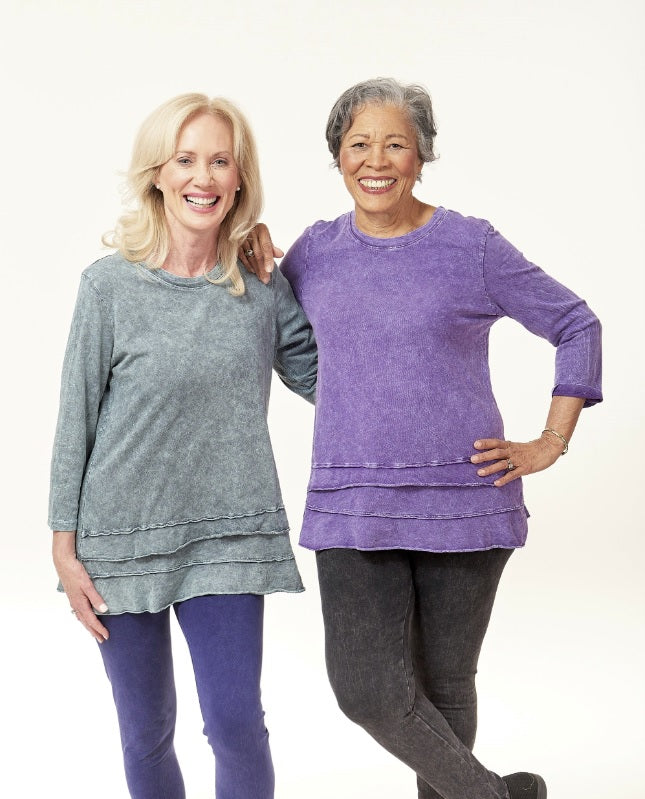
Learn what kinds of clothing make the most sense for residents in nursing homes.
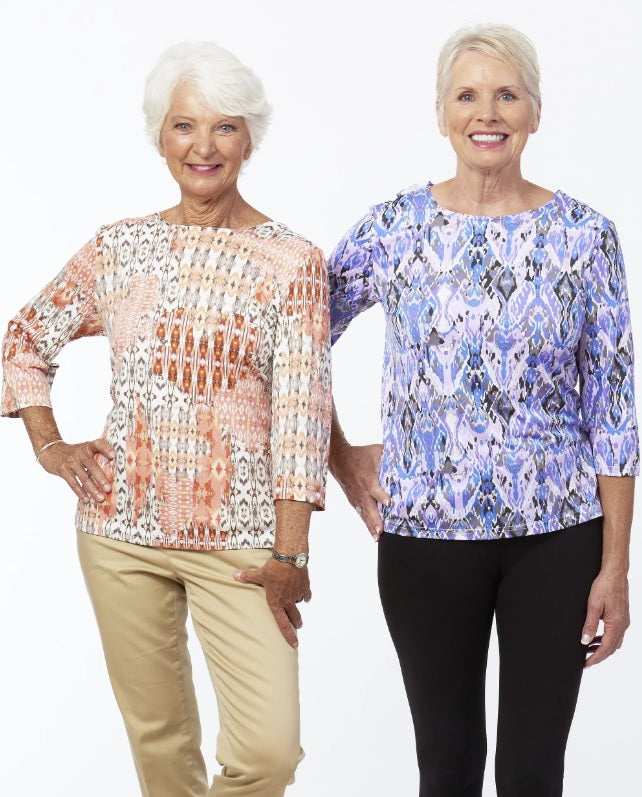
See how adaptive clothing can make a difference in the lives of Alzheimer's patients.